
Just in Time Delivery Programs
Get the inventory you need, when you need it, without tying up valuable space with excess stock. Our Just in Time Delivery Programs support scheduled deliveries, demand-based replenishment, and a more efficient approach to keeping production supplied.
- SCHEDULED DELIVERIES
- DELIVERY ROUTING
- DEMAND-BASED REPLENISHMENT
- INVENTORY REPLENISHMENT
- ONSITE STORAGE REDUCTION
- PRODUCTION LINE SUPPORT
Reduce Onsite Inventory Without Slowing Production
Production teams need the right inventory on hand which can be difficult when demand changes, storage space is limited, or inbound deliveries do not line up. Instead of keeping larger quantities onsite for long periods, businesses can rely on scheduled deliveries based on demand.
This approach can help reduce pressure on warehouse space while keeping needed materials available for production along with making inbound planning more predictable by creating a regular delivery schedule.
Packaging Solutions works with businesses that need a more practical way to manage delivery timing without requiring as much inventory to sit onsite and a delivery schedule built around what your operation actually needs
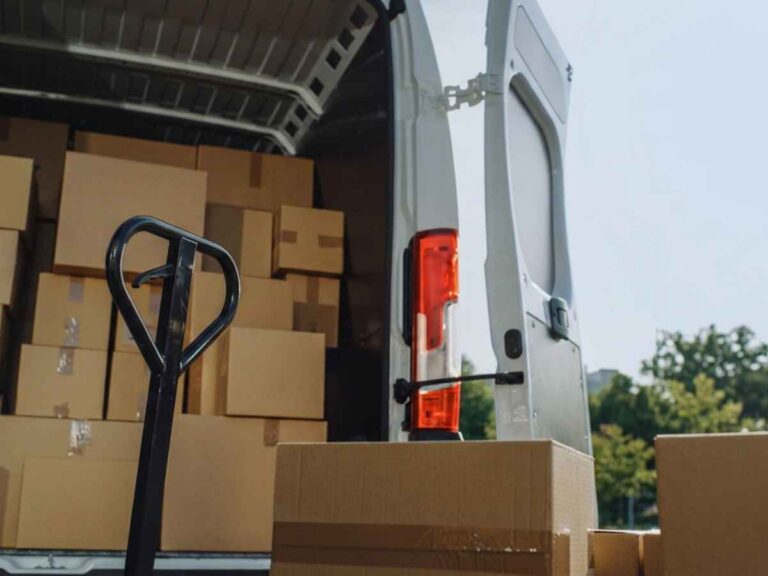
Our Just in Time Delivery Services
A Just in Time Delivery Program helps strike a better balance by bringing inventory in closer to when it is needed. With scheduled deliveries, planned routing, and demand-based replenishment, businesses can reduce excess stock while keeping production supplied.
Scheduled Deliveries
Receive inventory on a schedule that matches your production or facility needs. Regular delivery windows can make inbound planning easier and help prevent unnecessary stock buildup.
Delivery Routing
Plan deliveries around the needs of your operation. Organized routing helps create a more reliable approach to getting inventory where it needs to go.
Demand-Based Replenishment
Replenish inventory based on current demand instead of keeping larger quantities onsite. This helps businesses avoid carrying more stock than they need.
Inventory Replenishment
Keep needed products or materials available through a more consistent replenishment process. Inventory can be brought in closer to the time it will be used.
Reduced Onsite Storage
Keep less inventory sitting at your facility by bringing it in closer to when it is needed. This can free up valuable floor and storage space.
Production Line Support
Help keep production supplied with scheduled deliveries and planned replenishment. Reliable delivery timing can reduce the risk of materials arriving too early or too late.
Why Choose Packaging Solutions for Just in Time Delivery Programs?
- Receive inventory according to a planned schedule.
- Bring in stock based on current needs.
- Keep less excess inventory at your facility.
- Free up warehouse or plant space for other priorities.
- Organize deliveries around your operating schedule.
- Know when inventory is expected to arrive.
- Help keep needed materials available for line activity.
- Adjust incoming inventory as demand changes.
- Reduce the amount of inventory waiting to be used.
- Match deliveries more closely to actual demand.
When Just in Time Delivery Programs Can Help
Too much inventory takes up space but yoo little can slow production. Packaging Solutions helps support delivery programs built around your schedule, your demand, and your available space.
Limited Storage Space
Large amounts of inventory can quickly take over warehouse or production space. Just in Time delivery helps reduce how much stock needs to be kept onsite at one time.
Keeping Production Supplied
Production lines depend on having the right materials available when they are needed. Scheduled deliveries and replenishment can help keep those materials coming in at the right time.
Changing Demand
Inventory needs can shift as production levels change. Demand-based replenishment gives businesses a way to adjust incoming stock more closely to current needs.
Excess Inventory Onsite
Holding more inventory than necessary can create storage challenges and make space harder to manage. Bringing stock in closer to when it will be used can reduce that buildup.
Unpredictable Deliveries
Irregular arrivals can make receiving and production planning more difficult. A scheduled delivery program creates a more consistent routine for inbound inventory.
Managing Replenishment
When replenishment and delivery timing are not aligned, businesses may end up with too much or too little inventory onsite. A Just in Time program helps bring those needs together in a more practical way.
Ready to Optimize Your Storage Strategy? Let's do it together!
Fill out the form below and we will be in contact.
Frequently Asked Questions About Just in Time Delivery Programs
A Just in Time Delivery Program is a way to schedule inventory so it arrives closer to when it is needed. Instead of keeping larger amounts of stock onsite, businesses can use planned deliveries and demand-based replenishment to maintain the inventory required for production or daily operations.
Just in Time delivery reduces the need to keep large quantities of inventory at your facility. Stock is brought in closer to the time it will be used, which can help free up warehouse, plant, or production space.
A Just in Time Delivery Program may be a good fit when onsite storage is limited, inventory levels are higher than necessary, or production depends on regular replenishment. It can also help businesses that want a more predictable approach to receiving inventory.
Demand-based replenishment adjusts incoming inventory based on what the operation currently needs. Rather than holding excess stock as a buffer, businesses can bring in inventory in quantities that more closely match production or usage levels.
Scheduled deliveries make it easier to plan receiving and production activity. Knowing when inventory is expected to arrive can reduce uncertainty, limit excess stock, and help ensure needed materials are available at the right time.
Yes. Scheduled deliveries and replenishment based on demand can help keep needed inventory available for production. The goal is to reduce unnecessary onsite stock without creating gaps that could slow or interrupt line activity.